Preventing overtraining injuries: How can load management and orthotics help?
If you or your clients are out there chasing sporting goals, you’re probably familiar with the term overtraining. It’s a common challenge that can increase the risk of injury. In this blog, we’ll explore two practical strategies to help reduce that risk: effective load management and the use of orthotic support.
Summary
Overtraining injuries often happen when the body doesn’t get enough time to recover. Keeping an eye on how much training stress an athlete is under, and how their body is coping, helps spot early signs of fatigue.
Good load management means increasing training gradually and allowing enough rest. Load management involves monitoring load, getting adequate sleep and hydration, recovery days, and self-reported fatigue checks.
Orthotics can reduce injury risk by adjusting alignment and spreading pressure more evenly through the feet and legs. Research shows both custom and prefabricated orthotics can lower the rate of common overuse injuries.
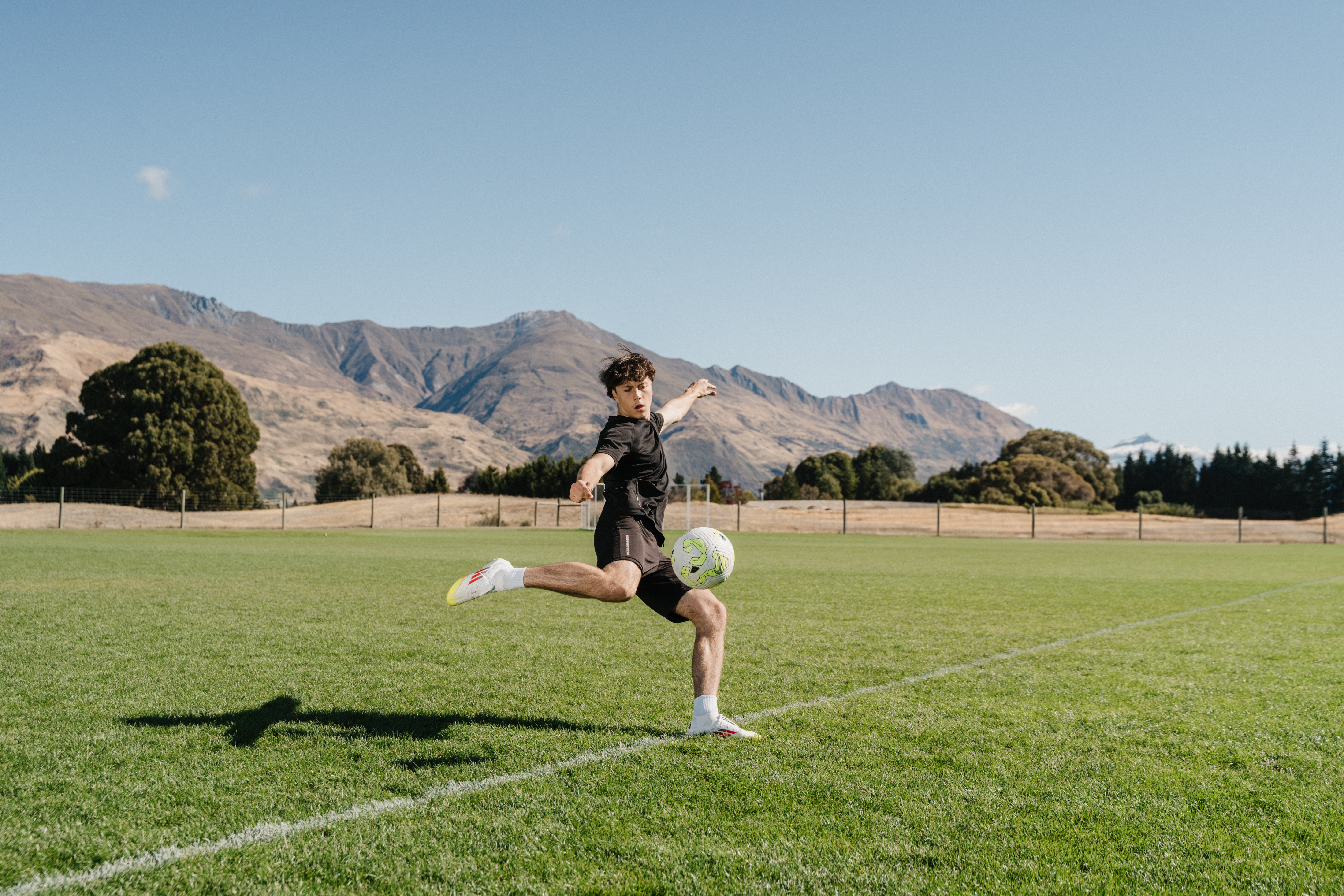
Load management in athletes: monitoring training and competition stress and the athlete’s response
Load management involves monitoring the physical and mental stress an athlete is under – during training and competition – and adjusting it to support performance and reduce injury risk. This includes monitoring external load (such as distance, speed, or repetitions) and internal load (how the body and mind respond, which may include heart rate, perceived effort, fatigue, and lactate levels).
Monitoring the internal load is important because each athlete will have a different response to the same external load depending on various factors, including physiology, injury history, non-sports stress, and age. Loads that are either too high or too low can increase the risk of injuries. Mismatch between internal and external load can indicate maladaptation to training or elevated injury risk (for example, if external load remains stable but the internal load increases, it may signal fatigue or insufficient recovery).
Effective load management is central to injury prevention
A 2016 consensus statement from the International Olympic Committee (IOC) provides practical guidelines for load management to support injury prevention. Some key recommendations from the IOC are summarised below, along with practical insights from other sources.
1. Loading should be prescribed, monitored and adjusted individually.
2. Prescribing load:
Athletes respond better to gradual increases (and decreases) in loading. As a guideline, increases of < 10% per week have been suggested, although this may not be relevant to all sports.
Build in enough recovery time to support physical and emotional health – especially after intense training, competition, or travel. Training recovery strategies include good nutrition and hydration, quality sleep, active rest, relaxation techniques, and emotional support.
The American Academy of Cardiovascular Sleep Medicine reports that athletes sleeping fewer than 6–7 hours per night have a significantly higher risk of musculoskeletal injury, while at least 8 hours of sleep has been identified as important for adolescents.
Balancing acute load and chronic load is important (eg the load from training in the last week vs a longer period of four weeks or more). Evidence from Australian football, cricket and rugby league suggests an acute to chronic load ratio within a range of 0.8–1.3 for optimal training responses and to reduce the risk of injuries.
3. Monitoring load:
Regular monitoring is recommended to allow for quick adjustments to training or competition loads.
When monitoring internal load, subjective measures are particularly useful – getting athletes to self-report on their non-sport stress, level of fatigue, physical recovery, and their general health and well-being.
A 2016 systematic review found that subjective measures reflected acute and chronic training loads with better sensitivity than objective measures.
Tools for monitoring load include training diaries and questionnaires, blood tests (eg for cortisol, lactate or creatinine kinase), and wearable devices.
Wearable devices for external load include pedometers, accelerometers and GPS-based wearable sensors. For internal load, examples include heart rate monitoring devices and apps for recording subjective measures.
4. Psychological load management:
Education or tools that help athletes manage stress and build resilience are recommended.
Training should be adjusted when needed in times of increased psychological stress.
5. Injury monitoring:
Regular health monitoring can help identify signs of injury early, allowing timely intervention.
Monitoring tools should be sensitive to early symptoms such as pain and functional limitations.
After rapid increases in loads, injury monitoring is especially important and should continue for a period of time (eg at least four weeks).
Orthotic support for athletes
Footwear and orthoses influence how forces are transmitted through the lower limbs during movement. Poorly fitted or inappropriate shoes can increase strain on the body, while well-designed orthotics can help spread pressure more evenly and reduce the risk of injury.
Orthotics can offer structural (biomechanical) support and may also enhance body awareness through improved sensory feedback. Depending on the density and flexibility of the materials used, they may also provide cushioning and shock absorption. Orthotics can adjust plantar pressure and alter joint movements and other lower limb biomechanics, including altered muscle activity. They can be beneficial for athletes with:
issues related to low or high arches (which may include overpronation and underpronation) or other
problems related to foot posture problems associated with pressure areas, such as blisters or heel pain / plantar fasciitis
a history of lower limb overuse injuries
high-impact sports and high training loads.
What does the scientific literature say?
A 2017 systematic review of custom and prefabricated foot orthotics and shock-absorbing insoles found that both custom and prefabricated orthotics significantly reduced the incidence of overall injuries, shin pain and stress fractures of the metatarsals, tibia and femur. Both custom and prefabricated foot orthoses performed better than the shock-absorbing insole.
A 2022 systematic review of 12 studies (including 5,321 runners) found that runners using orthotics had a significant 40% reduction in the risk of lower limb injuries compared with those in the control group (no intervention).
Debunking common training myths
Misconceptions about training can inadvertently increase injury risk. For example:
No pain, no gain” can lead athletes to ignore early warning signs of injury (Cleveland Clinic, 2025).
“Kids bounce back quickly” is a dangerous myth. Young athletes are especially vulnerable to overuse injuries due to immature musculoskeletal systems (American Academy of Pediatrics, 2024).
Conclusion
Preventing overuse injuries isn’t necessarily about training less – it’s about training smarter. Supporting an athlete’s capacity – through thoughtful load management, restorative recovery practices that include adequate sleep, and biomechanical support through orthotics – is key to long-term athletic health.
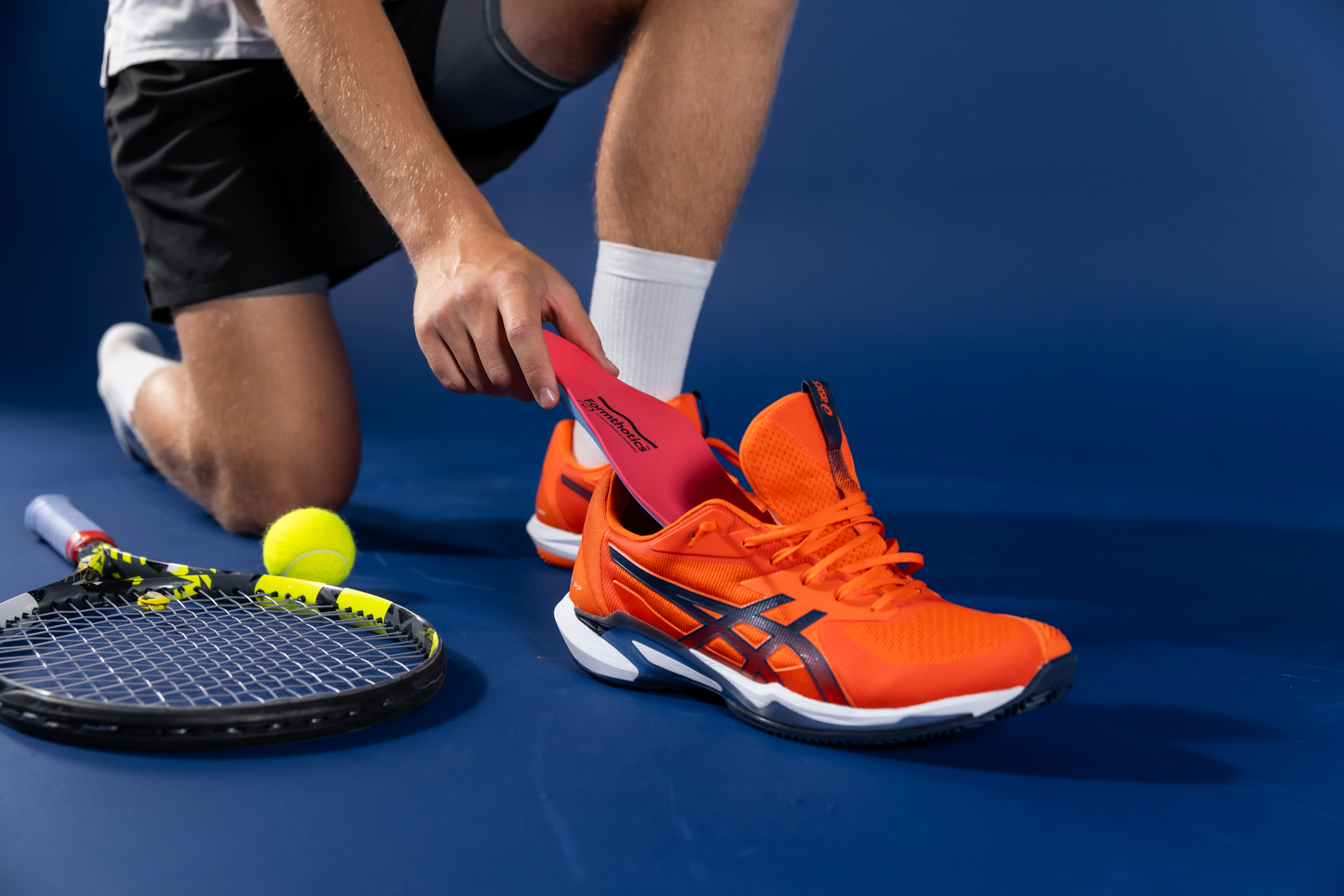
How can Formthotics help in injury prevention?
Highly versatile and customisable for individual needs:
Our wide selection of products within the Medical and Sports ranges is versatile and helps address the diverse needs of patients, athletes and people striving to be active.
Using heat-mouldable Formax Foam, Formthotics can be tailored to an individual's foot and shoe shape to help achieve optimal biomechanical and neuromotor support in just a few minutes.
Formthotics can be remoulded to meet changing needs or footwear.
Benefits for people with ‘flat feet’:
· In a study of people with low arches, both custom- and heat-moulded prefabricated orthotics were shown to shift lower limb muscle activity towards a pattern observed in normal-arched feet.
Injury prevention study:
· In a study of naval recruits, Formthotics were associated with a 34% reduction in risk of developing a range of different conditions.*
Formthotics Sports insoles are designed to help prevent injury by:
providing stability
supporting the natural foot position
supporting efficiency in exercise
reducing foot and leg fatigue
providing shock absorbency and comfort
reducing impact on joints, tendons and muscles.
*Note: Conditions included medial tibial stress syndrome, patellofemoral pain, Achilles tendinopathy or plantar fasciitis/plantar heel. Although the result was not statistically significant compared with the control group, the authors noted the effect was clinically relevant.
References:
American Academy of Cardiovascular Sleep Medicine. Sleep deprivation and injury risk in athletes. https://aacsm.org/sleep-deprivation-and-increased-risk-of-sports-related-injuries/ Accessed: November 2025.
Brenner JS, Watson A, Council on Sports Medicine and Fitness; Overuse Injuries, Overtraining, and Burnout in Young Athletes. Pediatrics. 2024; 153 (2): e2023065129.
Cleveland Clinic. (2025). Overtraining syndrome: Symptoms and prevention. https://my.clevelandclinic.org/health/diseases/overtraining-syndrome Accessed: November 2025.
Charest J, Grandner MA. Sleep and Athletic Performance: Impacts on Physical Performance, Mental Performance, Injury Risk and Recovery, and Mental Health. Sleep Med Clin. 2020;15(1):41-57.
Del Duchetto F, Dussault-Picard C, Gagnon M, et al. Can Foot Orthoses Benefit Symptomatic Runners? Mechanistic and Clinical Insights Through a Scoping Review. Sports Med Open. 2024;10(1):108.
Halson SL. Monitoring training load to understand fatigue in athletes. Sports Medicine. 2014;44(Suppl 2):139–147.
Macedo AG, Almeida TAF, Massini DA, et al. Load Monitoring Methods for Controlling Training Effectiveness on Physical Conditioning and Planning Involvement: A Narrative Review. Applied Sciences. 2024; 14(22):10465.
Physiopedia. (2023). Load management and injury prevention. https://www.physio-pedia.com/Load_Management. Accessed: November 2025.
Pires Neves M, Sena da Conceição C, Lucareli PRG, et al. Effects of Foot Orthoses on Pain and the Prevention of Lower Limb Injuries in Runners: Systematic Review and Meta-Analysis. Journal of Sport Rehabilitation. 2022;31(8):1067-1074.
Rebelo, A., et al. From data to action: A scoping review of wearable technologies and biomechanical assessments informing injury prevention strategies in sport. BMC Sports Science, Medicine and Rehabilitation. 2023;15(1):83.
Saw AE, Main LC, Gastin PB. Monitoring the athlete training response: subjective self-reported measures trump commonly used objective measures: a systematic review. Br J Sports Med. 2016;50(5):281-91.
Soligard T, Schwellnus M, Alonso J, et al. How much is too much? (Part 1) International Olympic Committee consensus statement on load in sport and risk of injury British Journal of Sports Medicine 2016;50:1030-1041.
Related Articles
&w=966&q=90)
Plantar Fasciopathy
Heel pain affecting performance? See how effective orthotic care turned things around.
&w=966&q=90)
Formthotics treat Plantar Fasciitis: RCT Results
Effectiveness of foot orthoses to treat plantar fasciitis: a randomized trial
&w=966&q=90)
Best Practices for Managing Plantar Heel Pain
Discover the latest guidelines for diagnosing and treating plantar heel pain.